What Is Patellofemoral Pain Syndrome?
What Is Patellofemoral Pain Syndrome?
Patellofemoral syndrome is a term used to describe a collection of symptoms affecting the knee.
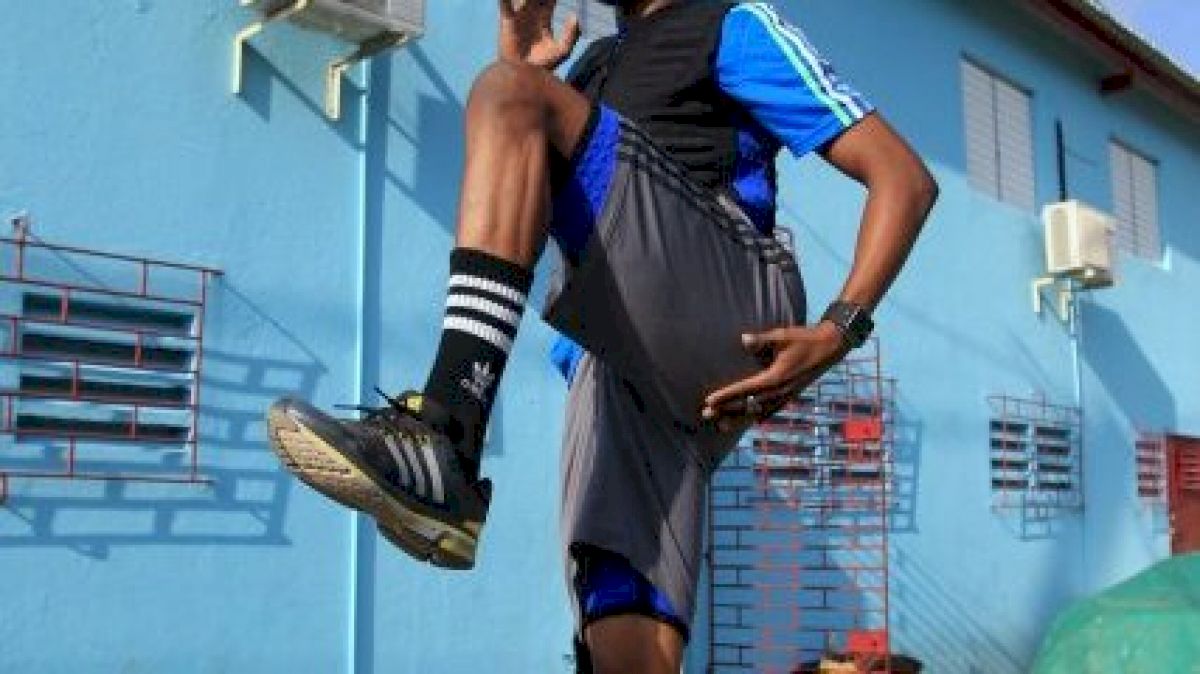
"Patellofemoral syndrome" is a term used to describe a collection of symptoms affecting the knee. Most often it is related to pain in the front of the knee around the patella, or kneecap, and it is frequently referred to as “runner’s knee.” It is important to note that "syndromes" are defined by a group of signs or symptoms and are not the same as a disease, which has a defined set of characteristics. Instead, the term “syndrome” is applied whenever all other diseases have been excluded and there is no other logical diagnosis.
The knee is the largest and one of the most complex joints in the human body. A network of ligaments and tendons connect the femur (thigh bone) to the bones of the lower leg, with several structures in place to allow for the knee to move with ease. One of those is articular cartilage, which allows for the bones in your upper and lower leg to glide smoothly against each other while walking. According to the American Academy of Orthopedic Surgeons, “patellofemoral pain syndrome occurs when nerves sense pain in the soft tissues and bone around the kneecap. These soft tissues include the tendons, the fat pad beneath the patella, and the synovial tissue that lines the knee joint.”
Symptoms
The primary symptom associated with patellofemoral syndrome is pain which is aggravated when:
- Walking, running, or other activities where the knee is repeatedly bent
- Kneeling and squatting
- Sitting with a bent knee for long periods of time
Causes
The Mayo Clinic states that, although doctors are not certain what causes patellofemoral pain syndrome, it has been associated with:
- Overuse - running or jumping sports puts repetitive stress on your knee joint, which can cause irritation under the kneecap.
- Muscle imbalances or weaknesses - patellofemoral pain can occur when the muscles around your hip and knee don't keep your kneecap properly aligned. Inward movement of the knee during a squat has been found to be associated with patellofemoral pain.
- Injury - trauma to the kneecap, such as a dislocation or fracture, has been linked to patellofemoral pain syndrome.
- Surgery - knee surgery, particularly repair to the anterior cruciate ligament using your own patellar tendon as a graft, increases the risk of patellofemoral pain.
Treatment
The acronym R.I.C.E. is always a great place to start when relieving muscle pain. Rest the joint as much as possible and apply ice after movement to ease swelling and pain. Using an elastic bandage to apply compression to the joint and to provide extra support and elevate your leg when sitting or lying down. Rest, Ice, Compression, Elevation.
Contacting your doctor for further treatment options should always be your first action, as many people get relief from NSAIDs like Tylenol, from working with a physical therapist (this can also play a role in the prevention of new pain), and from various strengthening exercises. Always consult with your doctor before starting any new health regimen or treatment.